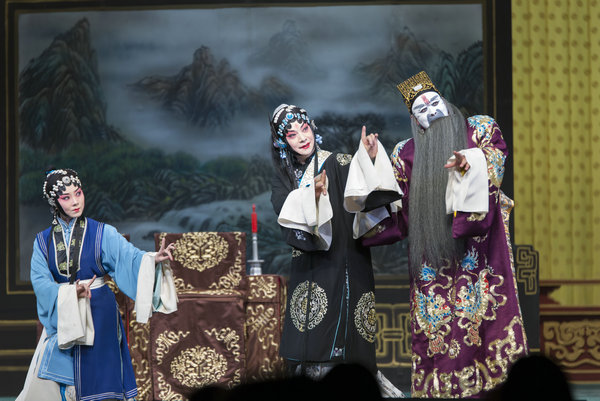
Sheng, Dan, Jing, Chou (Roles in Peking Opera)
Overview
Sheng, Dan, Jing, and Chou are the four primary role types in Peking Opera, one of China's most celebrated traditional performing arts. These roles represent distinct character archetypes, each with specific attributes, costumes, makeup, and performance styles. Peking Opera, which emerged during the Qing Dynasty (1644-1911), is a synthesis of music, vocal performance, mime, dance, and acrobatics. The categorization of roles into Sheng, Dan, Jing, and Chou reflects the art form's emphasis on stylization and symbolism, with each role type embodying particular social, moral, or emotional characteristics. Together, these roles form the foundation of Peking Opera's narrative and aesthetic structure.
Historical Background and Evolution
The classification of roles in Chinese opera dates back to the Tang Dynasty (618-907), but the system of Sheng, Dan, Jing, and Chou became fully developed during the Qing Dynasty (1644-1911), particularly in the late 18th and early 19th centuries. Peking Opera itself emerged as a dominant theatrical form during this period, evolving from earlier regional operatic traditions such as Kunqu and Anhui opera. The codification of roles was influenced by the need to standardize performance practices and create a shared vocabulary of gestures, movements, and vocal techniques.
Historically, the roles were performed exclusively by male actors, as women were prohibited from appearing on stage until the late Qing Dynasty. Male actors specializing in female roles (Dan) were highly skilled in mimicking feminine gestures and vocal qualities. Over time, as societal norms shifted, women began to take on these roles, and the art form expanded to include both male and female performers.
The four-role system reflects traditional Chinese values and aesthetics, emphasizing balance, harmony, and the representation of archetypal human experiences. Each role type has undergone subtle changes over time, adapting to shifts in audience preferences and cultural contexts while retaining its essential characteristics.
Sheng: The Male Role
The Sheng role represents male characters and is further divided into subcategories based on age, social status, and personality. The primary subtypes of Sheng include:
-
Laosheng: The "old man" role, typically portraying dignified, mature men such as scholars, officials, or generals. Laosheng performers use a steady, resonant vocal style and wear long beards to signify age and wisdom.
-
Xiaosheng: The "young man" role, depicting youthful, often romantic characters. Xiaosheng actors use a lighter vocal tone and are known for their elegant movements.
-
Wusheng: The "martial man" role, specializing in acrobatics and combat scenes. Wusheng performers require exceptional physical agility and often portray warriors or heroes.
-
Hongsheng: A specialized subtype of Sheng, characterized by a red-painted face. This role is associated with historical figures such as Guan Yu, a symbol of loyalty and bravery.
The Sheng role demands a combination of vocal prowess, physical grace, and the ability to convey complex emotions through subtle gestures and expressions.
Dan: The Female Role
The Dan role encompasses female characters and is one of the most versatile categories in Peking Opera. Like the Sheng role, Dan is divided into several subtypes, each representing a specific archetype:
-
Qingyi: The "virtuous woman" role, portraying noble, gentle, and dignified women. Qingyi performers emphasize grace and poise, often wearing elaborate costumes and singing in a refined, melodic style.
-
Huadan: The "vivacious woman" role, depicting lively, flirtatious, or mischievous young women. Huadan roles require expressive facial expressions and agile movements.
-
Wudan: The "martial woman" role, focusing on female warriors or heroines. Wudan performers combine singing with acrobatics and stage combat.
-
Laodan: The "old woman" role, representing elderly female characters. Laodan roles are less physically demanding but require strong acting skills to convey wisdom and experience.
-
Caidan: A comedic female role, often portrayed by male actors. Caidan characters add humor and levity to performances.
The Dan role is particularly significant in Peking Opera's history, as it showcases the art form's ability to convey a wide range of female experiences and emotions. The transition from male to female performers in Dan roles marked a turning point in the evolution of Peking Opera.
Jing: The Painted Face Role
The Jing role is characterized by elaborate facial makeup and represents powerful, larger-than-life male characters. Jing roles are often associated with warriors, generals, or deities and are known for their bold, dynamic performances. The facial makeup used in Jing roles is highly symbolic, with specific colors and patterns indicating the character's personality, moral alignment, and social status. For example:
"Red" signifies loyalty and bravery.
"Black" represents integrity and impartiality.
"White" denotes cunning or treachery.
"Blue and green" are used for characters with strong, unyielding personalities.
Jing roles are divided into two main subtypes:
-
Wenjing: The "civil painted face" role, focusing on characters with intellectual or strategic qualities.
-
Wujing: The "martial painted face" role, emphasizing physical strength and combat skills.
Jing performers require a commanding stage presence, robust vocal projection, and the ability to execute dramatic gestures and movements. The role's visual and performative elements make it one of the most striking aspects of Peking Opera.
Chou: The Comic Role
The Chou role, or "clown," provides comic relief and serves as a counterbalance to the more serious elements of Peking Opera. Chou characters are easily recognizable by the small patch of white makeup on their noses, which gives them a distinctive appearance. The Chou role is divided into two main types:
-
Wenchou: The "civil clown," often portraying minor officials, merchants, or other everyday characters. Wenchou roles rely on witty dialogue and humorous interactions.
-
Wuchou: The "martial clown," combining comedic elements with acrobatics and stage combat.
Chou performers are skilled in improvisation and often break the fourth wall to engage directly with the audience. The role's humor can be both lighthearted and satirical, offering social commentary or poking fun at human foibles.
Significance and Cultural Impact
The system of Sheng, Dan, Jing, and Chou is central to the artistry and storytelling of Peking Opera. Each role type contributes to the overall balance and harmony of a performance, reflecting traditional Chinese aesthetics and values. The roles are not merely characters but symbolic representations of human virtues, flaws, and archetypes.
Peking Opera has had a profound influence on Chinese culture and has been recognized as an intangible cultural heritage by UNESCO. The art form continues to evolve, with contemporary performers experimenting with new interpretations of traditional roles while preserving their essential characteristics.
Related Concepts and Context
The role system in Peking Opera is part of a broader tradition of Chinese opera, which includes regional styles such as Kunqu Opera, Yue Opera, and Cantonese Opera. Each style has its own role classifications and performance conventions, but the influence of Sheng, Dan, Jing, and Chou is evident across these traditions.
The training required for Peking Opera performers is rigorous, often beginning in childhood. Actors must master a wide range of skills, including singing, acting, dancing, and acrobatics, as well as the intricate makeup and costume techniques associated with their roles.
In modern times, Peking Opera faces challenges such as competition from other forms of entertainment and the need to attract younger audiences. However, efforts to preserve and promote the art form, including international tours and collaborations, have helped to sustain its relevance and appeal. Photo Gallery(12 pictures)CategoriesArtsTagOpera and DramaIntangible Cultural HeritageCatalogue1. Overview2. Historical Background and Evolution3. Sheng: The Male Role4. Dan: The Female Role5. Jing: The Painted Face Role6. Chou: The Comic Role7. Significance and Cultural Impact8. Related Concepts and Context- - - []
来源: Culturepedia - Sheng, Dan, Jing, Chou (Roles in Peking Opera)








